-
Upright Pianos: The Compact Instrument For Your Home
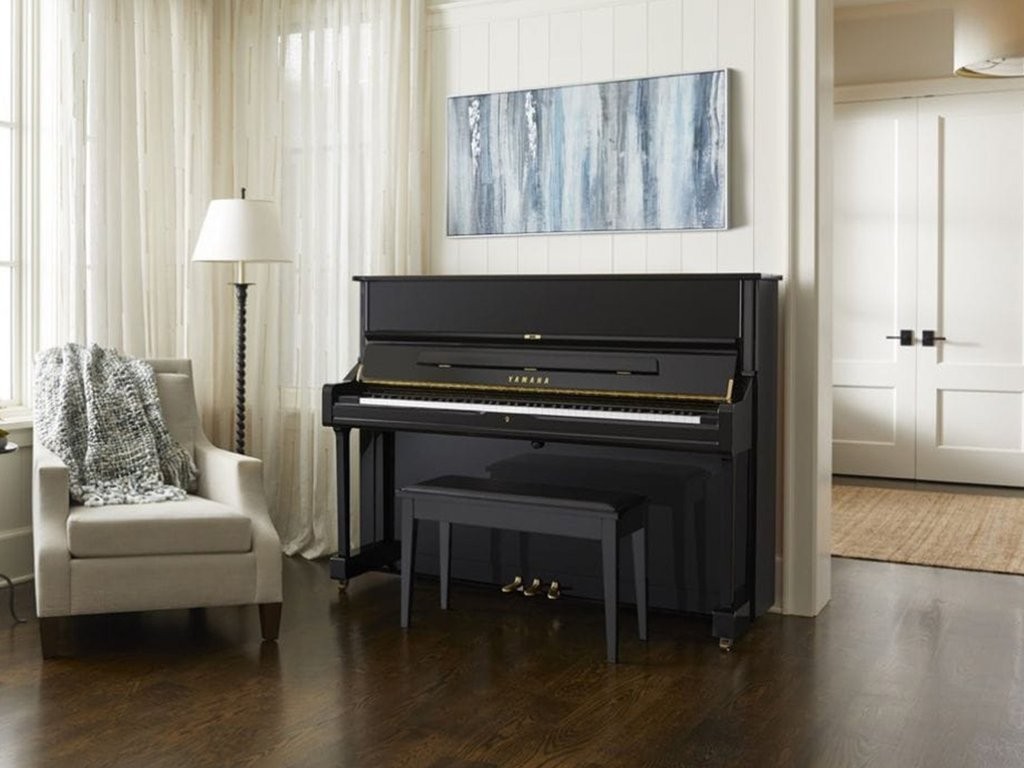
An upright piano is an excellent option if you’re looking for an acoustic piano that doesn’t take up a lot of space. These pianos are smaller and can be placed against a wall, making them ideal for small apartments or homes. Upright pianos have been around for centuries, and they are still a popular choice among piano players today. If you’re considering purchasing it from piano stores Winnipeg, there are a few things you should know about them. In this blog post, we will explore the history of upright pianos and the benefits of owning one.
What is an Upright Piano?
An upright piano is a type of piano with its strings and soundboard positioned vertically, perpendicular to the keys and keyboard. It is the most common type of piano and is often considered the standard for pianos. Upright pianos are usually significantly smaller than grand pianos, making them more suitable for smaller spaces. Despite their smaller size, they still produce a full, rich sound.
The Benefits of an Upright Piano
An upright piano is an excellent choice for any home, thanks to its compact size. But what are the benefits of an upright piano?
1. Upright pianos take up less space than grand pianos, making them an excellent choice for tiny homes or apartments.
2. Upright pianos are less expensive than grand pianos, making them a more affordable option for many people.
3. Upright pianos are easier to move than grand pianos, so you can take your piano with you if you move to a new home.
4. Upright pianos have a more traditional look than grand pianos, so that they can be a great addition to any home décor.
5. Upright pianos produce a richer sound than digital pianos, making them a better choice for serious musicians.
How to Choose the Right Upright Piano for Your Home
An upright piano is an excellent option if you’re looking for a piano for your home. They’re smaller and more compact than grand pianos, so they’ll fit better in your home. But how do you choose the right one?
Here are some things to keep in mind when shopping for an upright piano:
Size: Upright pianos come in different sizes. You’ll want to choose one that’s appropriate for the space available in your home.
Style: Upright pianos come in different types, from traditional to modern. Consider what look you want for your home and choose a piano accordingly.
Budget: Upright pianos can range in price from a few hundred dollars to several thousand dollars. Determine how much you’re willing to spend on an upright piano before you start shopping.
These are just a few things to remember when choosing an upright piano for your home. With so many options available, you’re sure to find the perfect one for your needs and taste.
The Best Upright Pianos on the Market
If you’re looking for an upright piano, you’ve come to the right place. This article will look at some of the best upright pianos on the market. We’ll be discussing features, prices, and more, so you can decide which piano is right for you.
Yamaha is one of the most popular pianos brands, and their U1 upright piano is one of the best-selling models. It’s made with high-quality materials and craftsmanship, and it has a beautiful sound. It’s also priced reasonably, making it an excellent option for beginner and intermediate players.
Kawai also makes some grand, upright pianos if you’re looking for something a little nicer. Their K200 model is a step up from the Yamaha U1 in terms of quality and price. It has a rich sound that’s perfect for advanced players.
Steinway & Sons makes some incredible upright pianos if you want the best of the best. They’re handmade with only the finest materials and have a sound unmatched by any other brand. Of course, they come at a premium price tag, but they’re definitely worth the investment if you’re a serious player.
We hope this article has helped you find the best upright piano for your needs. Be sure to research and try out different pianos before making your final decision.
Conclusion
We hope you enjoyed our article on upright pianos. These compact instruments are an excellent option for anyone looking to add a little touch of Yamaha music Winnipeg to their home without taking up too much space. If you’re still undecided, we recommend checking out some of the different models available and seeing which one best fits your needs. Whatever you decide, we wish you the best of luck in your musical journey!
-
Yamaha Pianos: The Popular Choice For Piano Players
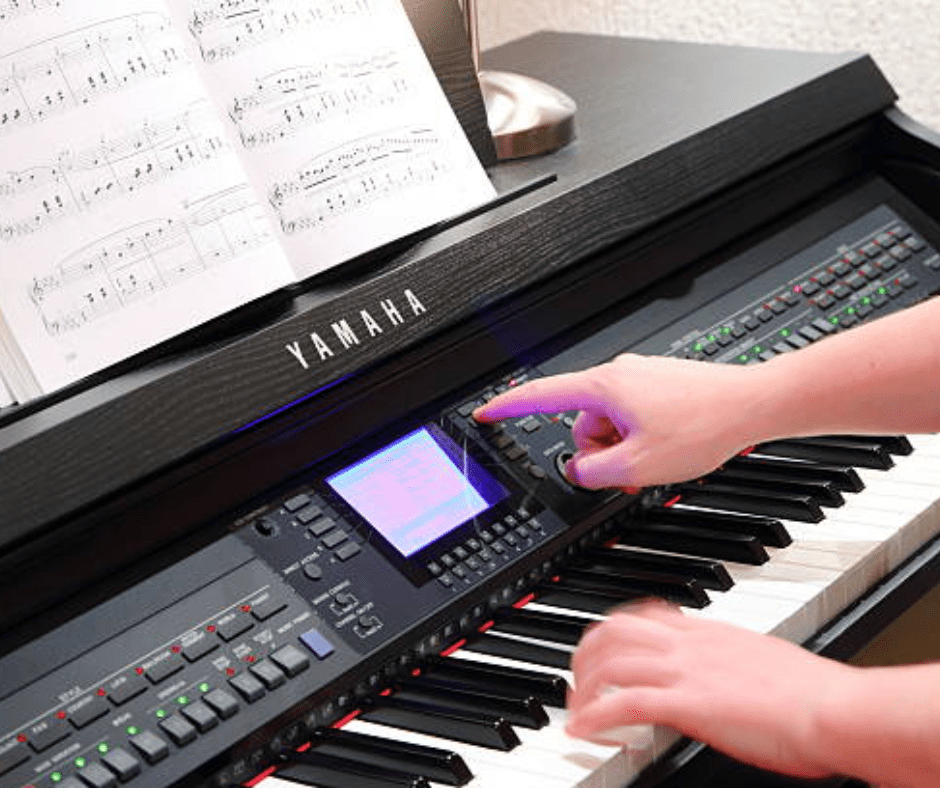
Yamaha is a well-known brand name in the piano industry, and for good reason. Yamaha pianos are some of the most popular on the market, and for good reason – they offer great quality and performance. Whether you’re a beginner or an experienced player, owning a piano Yamaha Canada is a great option.
What is the Yamaha Piano?
The Yamaha piano is a popular choice for piano players. It is known for its quality sound, and many models come with a variety of features that can make playing the piano easier. Many pianos also include built-in speakers that allow you to listen to your music without having to plug it into an amplifier.
It is also a popular choice because of its affordability. Some models are available for as little as $300, which makes them a great option for those on a budget.
The Different Types of Yamaha Pianos
When it comes to selecting the right piano, there are a lot of factors to consider. But one of the most important factors is what type of piano you want to buy. Here we’re going to take a look at the different types of Yamaha pianos and explain why they’re so popular with piano players.
The first type of Yamaha piano is the grand piano. These are huge instruments, typically measuring around 54 inches wide by 31 inches deep and weighing in at around 150 pounds. They’re perfect for halls and large concert venues, and their enormous sound is well-suited for classical and jazz music.
The second type of Yamaha piano is the digital piano. These are smaller instruments, typically measuring around 30 inches wide by 24 inches deep and weighing in at around 70 pounds. They’re perfect for home use, as they’re lighter and easier to move around than grand pianos. They also have more features than grand pianos, including built-in speakers and electronic keyboards that allow you to play synthesized music.
The third type of Yamaha piano is the sampler keyboard. These are unique instruments that allow you to create your own music by sampling
What are the Benefits of Owning a Yamaha Piano?
If you are a piano player, there is a good chance that you own a Yamaha piano. Yamaha is the most popular brand of pianos in the world, and for good reason. They offer great sound and build quality at an affordable price. Here are some of the benefits of owning a Yamaha piano:
-Model selection: There are a variety of models to choose from, so you can find the perfect one for your needs. You can find everything from budget-friendly pianos to high-end models that offer great sound and features.
-Sound quality: Yamaha pianos are known for their great sound quality. They are built with precision and offer amazing dynamics and tones. Whether you’re looking for a classical piano or something more jazz-influenced, Yamaha will have a model that’s perfect for you.
-Durability: Yamaha pianos are built to last. They are designed with longevity in mind, so you can be sure that your instrument will hold up well over time. Even if it does get damaged, Yamaha has a great warranty policy that will help cover any costs associated with repairs or replacements.
-Accessories: Most Yamaha pianos come with a variety of accessories, including music books, CDs, and even headphones. This means that you can customize your instrument to match your own style and needs.
-Price: Yamaha pianos are some of the most affordable options on the market. Whether you’re looking for a budget-friendly model or something more high-end, you’ll find something great at a Yamaha piano store.
The Best Places to Buy a Yamaha Piano
Some people are singers and some are pianists, but almost everyone can play the piano. Yamaha pianos are often the choice of piano players because they’re so popular and have a wide range of options. Whether you’re a beginner or an experienced player, there’s a Yamaha piano out there that’s perfect for you. Here are some of the best places to buy a Yamaha piano:
The Yamaha website is great for finding specific models and specs that fit your needs. They also offer a variety of financing options, so you can get the instrument you want without worrying about payments.
If you live in a major city, there are probably hundreds of music stores where you can buy a Yamaha piano. Like:-
St. John’s Music is great place to buy a Yamaha piano in Canada. They have a wide selection of models and colors, and they always have piano sales Winnipeg available. Plus, their staff is friendly and knowledgeable about the different models.
Just be sure to explore all the music store and their reviews before making your decision.
Conclusion
Yamaha pianos have been a popular choice for piano players for many years now. This is likely because Yamaha pianos are known for their quality construction and sound. They also offer a variety of features that make them well-suited for various types of players. If you are looking to buy or rent a piano, it is likely that you will want to consider a Yamaha model.
-
Guitar Repair: How to Keep Your Favorite Instrument in Top Shape

A guitar is a cherished possession for many people. It can be a source of joy and relaxation, as well as a way to express oneself artistically. It’s essential to take care of your guitar so that it will last for years to come. Sometimes it gets damaged. Its restoration can be a daunting task for anyone, but it’s especially hard if you don’t have any prior experience. In this article, we’ll teach you the basics of winnipeg guitar repair so that you can keep your instrument in top shape. By following our simple steps, you’ll be able to fix minor problems and prevent bigger ones from happening in the first place.
The Different Types of Guitar Repairs
Guitar repairs come in all shapes and sizes. Some might be as simple as tightening a string, while others might necessitate a more extensive restoration. Here are the different types of guitar repairs and their recommended procedures:
- Strings: Most guitars can be fixed with a quick string change. Loosen the strings by pressing down on each one about halfway between the nut and the fingerboard, then pulling them up. Be sure to hold onto the end of the string while you do this, or it will fly off the fretboard! Place the new strings on top of the old ones, being careful not to kink them. Tap each string gently with your finger to get it in tune.
- Hardware: A hardware repair involves fixing broken or loose parts on your guitar. It includes things like tuning machines, bridges, pickguards and headstocks. To restore a broken tuning machine, remove the screws that hold it in place and replace them with new ones. Replace a bridge if it’s missing or damaged, and replace a pickguard if it’s torn or stained. If your headstock is cracked or damaged, you’ll need to replace it entirely.
- Tuning: Tuning your guitar can be a tricky task, but it’s essential for keeping it in tune. To tune your guitar, first, check the strings to make sure they’re properly tensioned. If the strings are too tight or too loose, you’ll need to adjust the tuning machines or tuners accordingly. Once the strings are in proper tune, move on to the bridge and headstock.
Keeping your guitar in good shape
If you’re like most guitarists, your favorite instrument is probably your biggest investment. So it makes sense to take care of it as best you can. Here are a few tips for keeping your guitar in good shape:
1. Keep it clean: A clean guitar is easier to play and sounds better. Wash it regularly with mild soap and water. Don’t use harsh chemicals or abrasive cleansers, which could damage the wood.
2. Replace worn or damaged parts: If your guitar starts to sound weak or rough, replace worn or damaged parts like strings, frets, tuners, and bridges. These can be expensive, but they’ll make a big difference in the sound and reliability of your guitar.
3. Tune it often: A properly tuned guitar will feel more comfortable to play and sound better. Check the strings every few weeks and tune them as needed using a basic tuning tool like a fine-tooth saw blade or an electronic tuner.
4. Tighten loose screws: Loose screws can cause your guitar to buzz or make other strange noises. Tighten all screws that seem loose – even those that don’t seem to need.
How to Repair a Guitar Yourself
If your guitar needs a quick fix, or you just don’t have the time or inclination to take it to a professional, following these simple tips can help get your guitar back in action as soon as possible.
Before getting started, make sure to gather the following materials:
-A guitar tuner
-A fine-point sharp knife (preferably with a straight edge)
-Tape measure or ruler
– String winder
– Guitar strings (if applicable)
Step 1: Tune Your Guitar
Before starting any restorations on your guitar, it’s important to tune it properly. A correctly tuned instrument will hold its tune longer and sound more resonant. To tune your guitar, first make sure the strings are tightened evenly across the fretboard. Use the tuner to check each string for proper pitch. Be sure to adjust the tuning pegs as needed so that each string sounds at just the same pitch when played open.
Step 2: Preparing the Guitar for Restorations
Before beginning any repairs, it’s essential to clean the instrument thoroughly. Use a fine-point sharp knife to remove any loose or cracked wood. Be careful not to damage the finish or hardware. Once the guitar is clean and dry, tape measure or ruler to properly position the instrument on a work surface. Use the string winder to evenly and securely wind the strings around the tuning pegs.
Step 3: Repairing Damaged Wood
If your guitar has damaged wood, your first priority is to restore as much of the wood as possible. Use a fine-point sharp knife to carefully cut away any loose or broken pieces of wood. Be sure not to cut into the finish or hardware. Then, use a sandpaper block or cloth to smooth out any rough edges. Finally, apply a coat of sealant to protect the repair and enhance the look of your guitar.
Summary
If you own a guitar, you likely know that it can be a pricey investment. That’s why it’s essential to take care of it properly – not just in terms of keeping it in a good state, but also fixing any damage that may occur. Here are some tips by music stores Winnipeg on how to keep your guitar in top shape – and ultimately extend its lifespan.
1) Keep your guitar clean and free of harmful debris. A dirty guitar will quickly become damaged and will require more work to repair. Clean the body, strings, and pickups with a soft cloth or guitar polisher before each use.
2) Don’t abuse your guitar. Overuse can cause your strings to stretch or break, as well as damage the wood body. Playing too hard also puts strain on the neck and other parts of the instrument. If you must play aggressively, practice regularly in a quiet environment to minimize damage.
3) Restoring damage is essential, but don’t neglect regular maintenance. Check all the hardware – including nuts, bolts, and screws – for tightness every few weeks or when you notice anything unusual. Replace worn-out parts as necessary. And oil the pivot points on the neck.
-
Hello World!
Welcome to WordPress! This is your first post. Edit or delete it to take the first step in your blogging journey.
-
Subscribe
Subscribed
Already have a WordPress.com account? Log in now.
 stjohns.music.blog